
I’ve tested, promoted, and sometimes quietly abandoned more AI tools than I can count. Over the last few years, every other week seems to bring a new “build AI apps without code” promise. Most of them look good on demo videos, then fall apart when you actually try to sell something real with them.
That’s why I approached OmniMint AI with healthy skepticism.
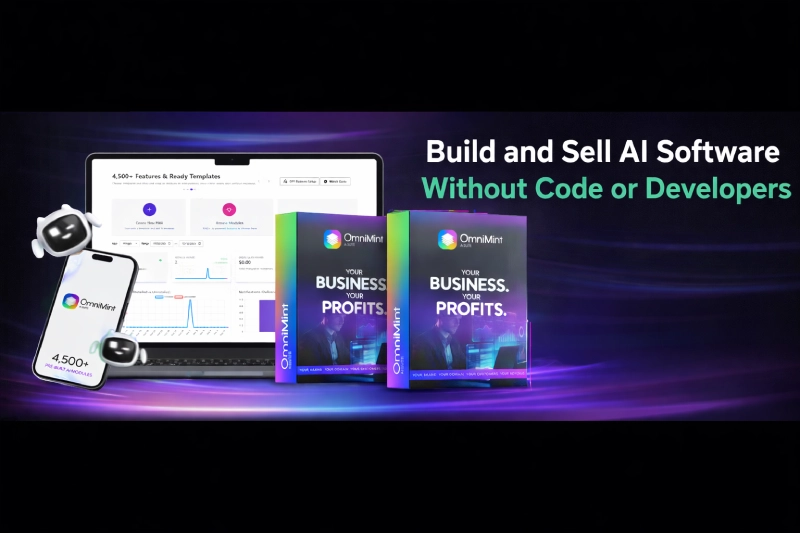
What caught my attention wasn’t flashy AI claims, but the angle. This wasn’t positioned as another prompt tool or internal chatbot. It was pitched as a way to build and sell your own AI software, across multiple platforms, with monetization baked in from day one.
In this OmniMint AI review, I’m sharing my honest take as a marketer who cares less about features and more about time-to-revenue.
I’ll walk you through what it actually is, what stood out, and how it works in the real world before we even talk about pricing or verdicts.
What Is OmniMint AI?
At its core, OmniMint AI is a multi-platform AI application builder designed for people who want to sell tools, not just experiment with AI.
Instead of giving you a blank canvas and saying “good luck,” it provides a ready-made infrastructure where you can:
- Assemble AI-powered apps using prebuilt modules
- Brand them as your own software
- Deploy them across multiple platforms at once
- Charge users via subscriptions or credits
This is not a course about building SaaS someday. It’s not a theory-heavy program. And it’s definitely not positioned as passive income.
OmniMint AI focuses on productization. Turning an idea, workflow, or expertise into a sellable AI tool that real users can log into and pay for.
That distinction matters more than it sounds.
Key Features of OmniMint AI
Rather than listing everything, I’ll focus on the features that actually change outcomes.
Multi-Platform Deployment (This Is the Big One)
Most no-code AI tools lock you into one platform, usually web-only.
OmniMint AI lets you deploy the same app to:
- Web applications
- Mobile PWA
- Desktop apps
- Chrome extensions
From a selling perspective, this is huge. Your product immediately feels more legitimate. Clients and customers are far more willing to pay for something that looks and behaves like real software.
Pre-Built AI Modules
You’re not starting from zero.
OmniMint AI comes with thousands of prebuilt AI modules covering different use cases. You’re assembling logic rather than engineering it.
This dramatically reduces build time and removes the technical bottleneck that stops most people from ever launching.
Built-In Monetization
This is where many platforms fall short.
OmniMint AI includes native support for:
- Subscriptions
- Credit-based usage
- Multiple payment gateways
Stripe, PayPal, Razorpay, and others are already integrated. You don’t need third-party hacks just to collect money.
White-Label Branding
You’re not promoting OmniMint’s brand.
You can fully brand your apps with your own name, logo, domain, and identity. For agencies and consultants, this alone makes it viable as a client-facing solution.
User Management and Analytics
You get actual user accounts, access control, and basic analytics. This isn’t a glorified demo. It’s structured like a real product backend.
How Does OmniMint AI Work?
This is where things get practical.
The workflow inside OmniMint AI follows a clear pattern, and that’s intentional.
Step 1: Choose the Type of App You Want to Build
You start by deciding what problem the app solves.
This could be anything from a niche content assistant to a business utility or internal workflow tool. OmniMint AI doesn’t force a single use case, but it does encourage you to think commercially from the start.
Step 2: Assemble AI Modules
Instead of coding logic, you select and connect AI modules.
This feels more like assembling building blocks than building from scratch. The learning curve is about understanding what to combine, not how to program it.
Step 3: Brand the Application
Next comes branding.
You assign a name, upload branding assets, and define how users will experience the app. This step is often overlooked in other tools, but it’s critical if you want people to pay.
Step 4: Set Pricing and Access Rules
This is where OmniMint AI really separates itself.
You decide:
- Subscription vs credit-based pricing
- Free vs paid access
- Limits and usage rules
Because monetization is native, this doesn’t feel bolted on.
Step 5: Deploy Everywhere at Once
Instead of rebuilding the same app for multiple platforms, OmniMint handles deployment in one go.
That’s how people are able to go from idea to live product in days rather than months.
Step 6: Acquire Customers
This part is not automated, and that’s a good thing.
The included training focuses on direct outreach, validation, and early customers. No ads. No complicated funnels. Just simple, repeatable actions that actually get first users.
At this point, you should have a clear picture of what OmniMint AI is and how it works in practice.
Want to build and sell your own AI software without developers?
If OmniMint AI matches your goal of launching real, monetized AI tools fast, you can check the current access and launch bonuses below.
YES, I Want OmniMint AI + Bonuses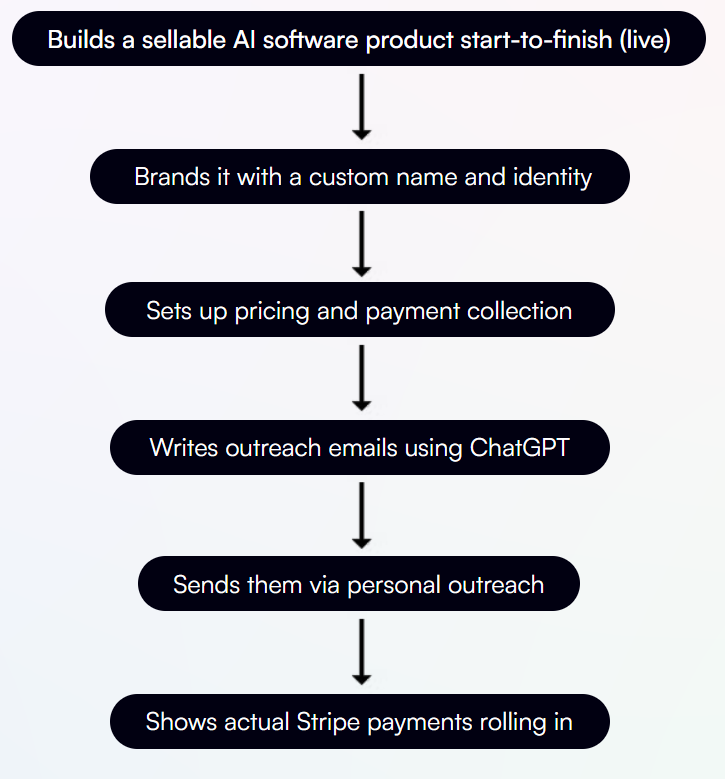
Who Is OmniMint AI Best For?
After going through the platform and the training, OmniMint AI clearly isn’t trying to appeal to everyone. And honestly, that’s a good thing.
This works best for people who already understand one basic truth: tools sell better than information.
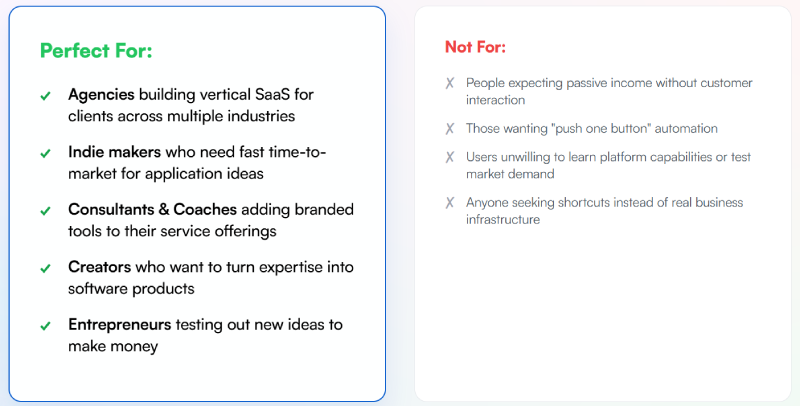
OmniMint AI is a strong fit if you fall into one of these groups:
- Agencies that want to package AI tools for clients instead of doing endless custom work
- Consultants and coaches who want to turn their frameworks into software instead of PDFs
- Indie makers testing micro-SaaS ideas without committing months of development time
- Marketers who are tired of promoting other people’s software and want something they own
- Entrepreneurs comfortable with outreach, validation, and iteration
Where it shines is speed to market. If you’ve ever had an idea and lost momentum because of tech complexity, this removes that friction.
Who It’s Not For
Just as important, OmniMint AI is not for:
- Anyone expecting passive income without effort
- People who hate talking to customers or doing outreach
- Users who want one-click automation with zero thinking
- Those looking for a “get rich quick” AI loophole
If you’re unwilling to test ideas or interact with users, this platform won’t magically fix that.
Pricing and OTO Details
One thing I appreciated is that OmniMint AI doesn’t hide pricing behind mystery steps. The funnel is structured, but it’s not confusing.
Front-End Offer
The entry price is intentionally low. This makes sense because it lets people get hands-on with the platform and validate ideas without overthinking.
For most first-time users, the front end is enough to understand the workflow and launch a basic product.
OTO 1: Unlimited Version
This removes most limitations.
If you’re an agency or planning to build multiple tools, this is where the real value is. Unlimited apps, more modules, more freedom.
For casual experimentation, it’s optional. For serious builders, it’s practical.
OTO 2: Done-For-You Business Suite
This is for people who want to skip setup entirely.
You get multiple ready-made business ideas that can be installed and sold immediately. No configuration. No blank-page syndrome.
It’s ideal for marketers who value speed over customization.
OTO 3: MarketingMint
This adds an AI sales page generator and hosting.
It turns your app details into a compliant, ready-to-sell page with payments and customer account creation handled for you.
For non-designers or people who hate building pages, this is a genuine time-saver.
Bundle Option
There’s also a discounted bundle that includes everything.
This makes sense if you already know you’ll commit to building multiple tools over time.
Pros and Cons
No OmniMint AI review would be honest without this section.
Pros
- Real multi-platform deployment, not just web apps
- Monetization built in from day one
- White-label branding makes it client-ready
- Prebuilt modules reduce build time dramatically
- Focus on selling, not just building
- Practical training with real-world examples
Cons
- Not passive income
- Requires outreach and validation
- Limited by platform boundaries compared to custom dev
- Learning curve around product thinking, not tech
None of these cons are deal-breakers, but they’re important to understand before buying.
Verdict: Is It Worth It?
Here’s my straight answer.
OmniMint AI is worth it if your goal is to sell software, even at a small but meaningful scale.
It’s not trying to turn you into a venture-backed SaaS founder. It’s giving you a faster path to owning and selling useful AI tools without technical overhead.
The infrastructure works. The monetization works. And most importantly, people are actually paying for apps built with it.
Ready to test your own AI software idea without heavy tech work?
If OmniMint AI aligns with your plan to build, brand, and sell practical AI tools, you can check the current offer and available bonuses below.
YES, I Want OmniMint AI + BonusesIf you already have an audience, clients, or a niche in mind, this shortens the distance between idea and income more than most platforms I’ve tested.
Final Verdict
After spending time reviewing the platform, the training, and the positioning, I see OmniMint AI as a serious builder’s tool, not a hype product.
It removes the hardest part of launching AI software: development, deployment, and payments. What it doesn’t remove is responsibility. You still have to think, test, and sell.
That balance is exactly why it works.
If you’re tired of promoting other people’s tools and want something you can brand, control, and monetize yourself, OmniMint AI is a solid option in 2026.
Frequently asked questions about OmniMint AI
What makes OmniMint AI different from other no-code AI tools?
Most tools focus on building. OmniMint focuses on building and selling. Multi-platform deployment and native monetization set it apart.
Do I need technical skills to use OmniMint AI?
No coding is required. You’ll need basic business sense and willingness to learn the platform, but not developer skills.
Can I really sell apps built with OmniMint AI?
Yes. The platform includes user management, payments, and deployment that make it feel like real software, not a demo tool.
Is this suitable for agencies?
Very much so. White-label branding and multi-app capability make it ideal for agencies serving multiple clients.
Is OmniMint AI beginner-friendly?
Technically yes, but business beginners may need time to adjust. The platform is simple, but selling anything still requires effort.
That’s the complete OmniMint AI review based on real evaluation, not surface-level hype.